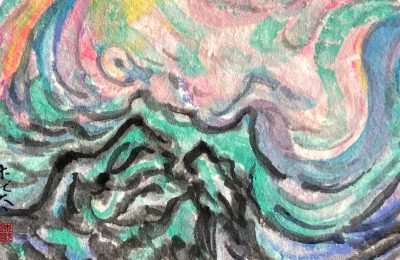
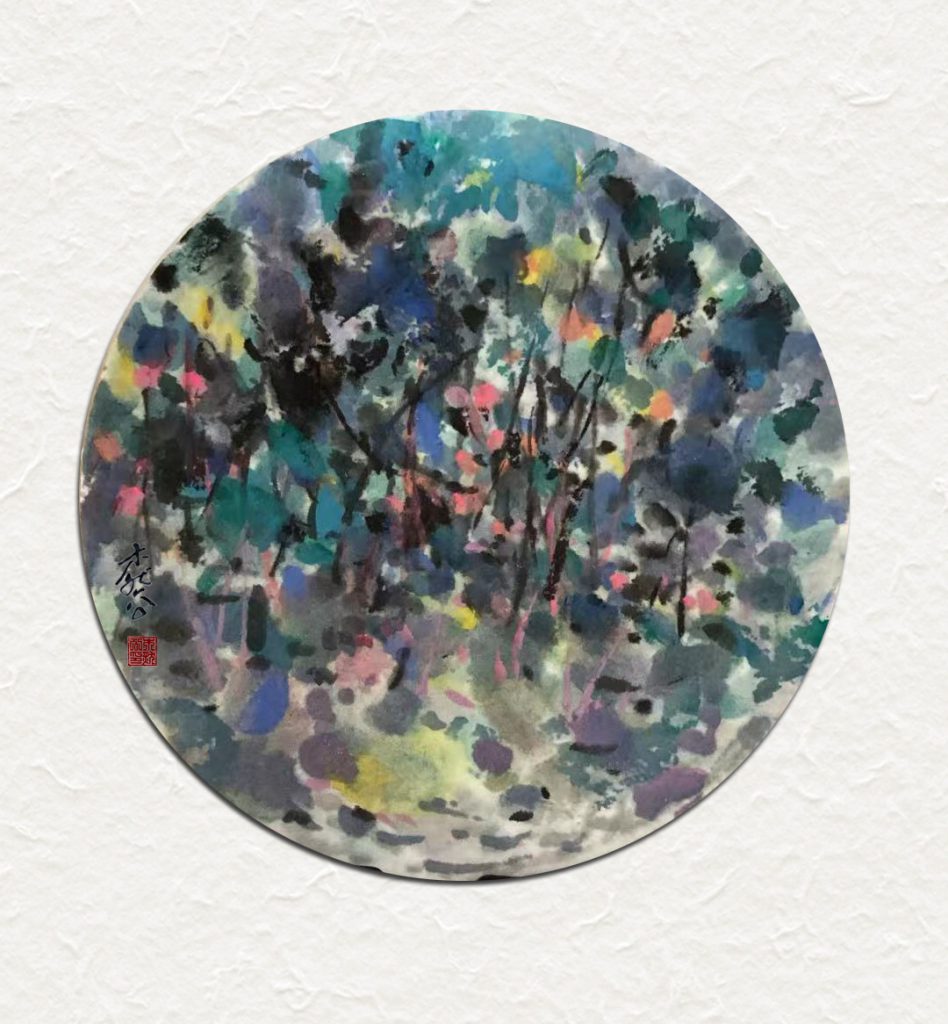
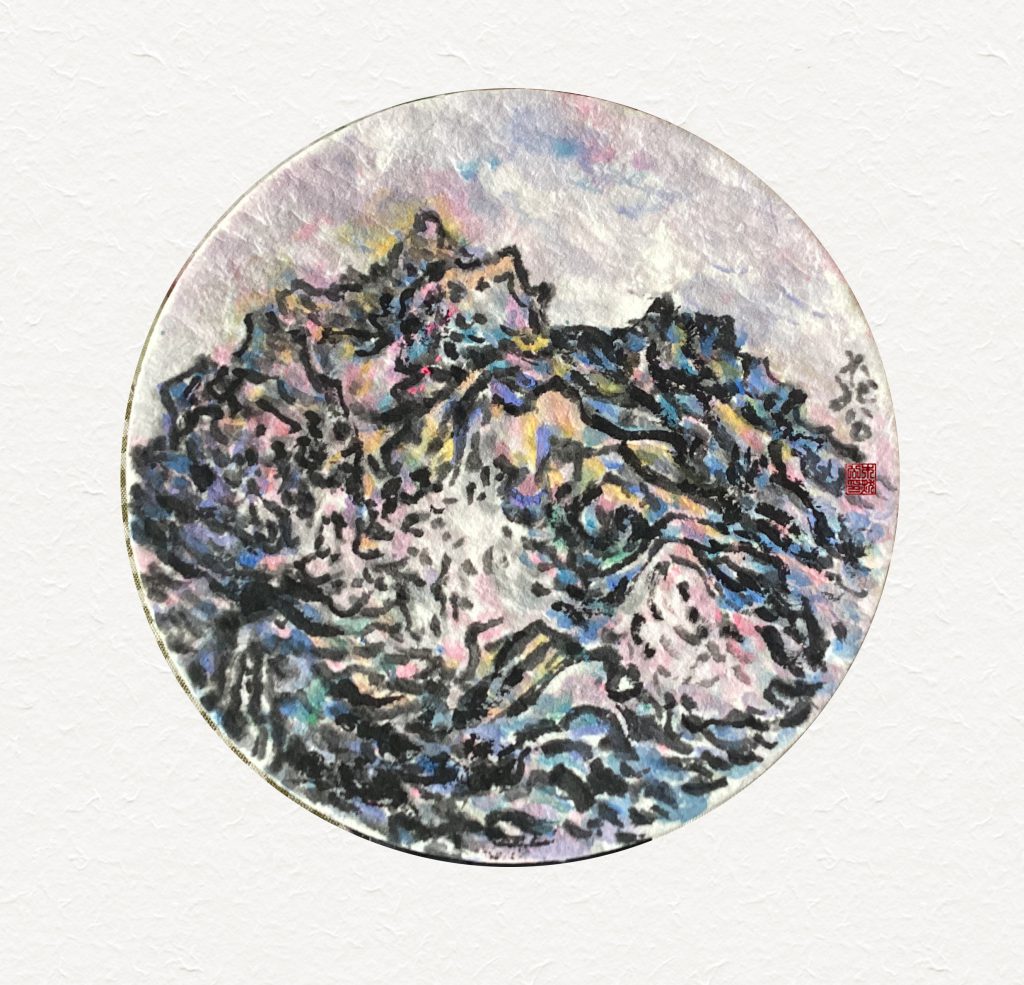
I am engaged in the recreation of a cultural gene that connects past and present, discovering all around me a fantastical light hidden from ordinary sight. It is like the magnetism and currents of dark energy—invisible yet undeniably powerful. The ancients, too, drew from the essence of the cosmos and nature to create China’s enduring narrative of nature and humanity: a sublime philosophy of landscape. Unlike Western realism, which seeks to reproduce scenery, this approach distills the deconstruction of forms, interpreted through the most primal tools—the language of ink and line. Over millennia, through generations of artists, it has formed a timeless method for depicting all things under heaven.
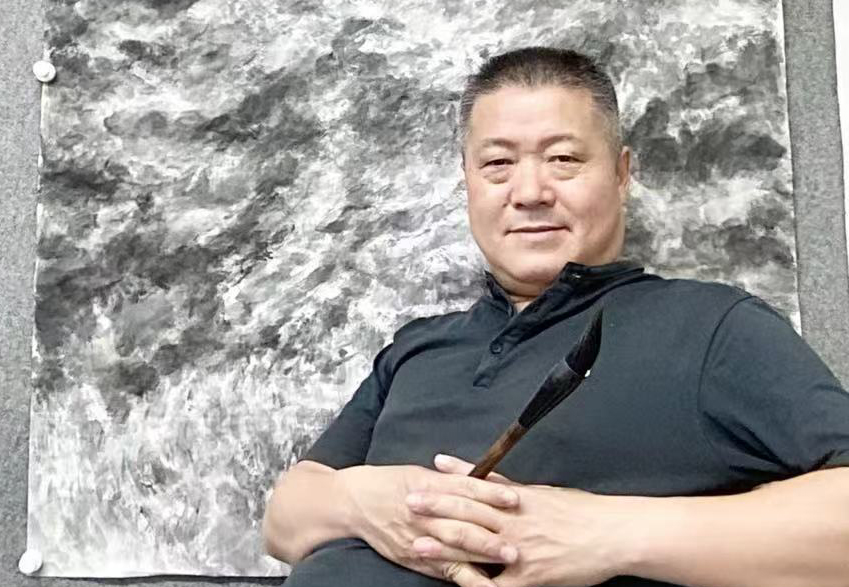
The Chinese painter is first a philosopher and poet; brush and ink become instruments through which an ideal world is channeled. With intense refinement, awakened lines and ink tones are forged into singular visual fields. The thread of history continues, and today’s artists engage with the world, carrying forward the creative capacity our predecessors envisioned. The vibrant world we see today could no longer be fully captured through the means of the past—a task left to us now.
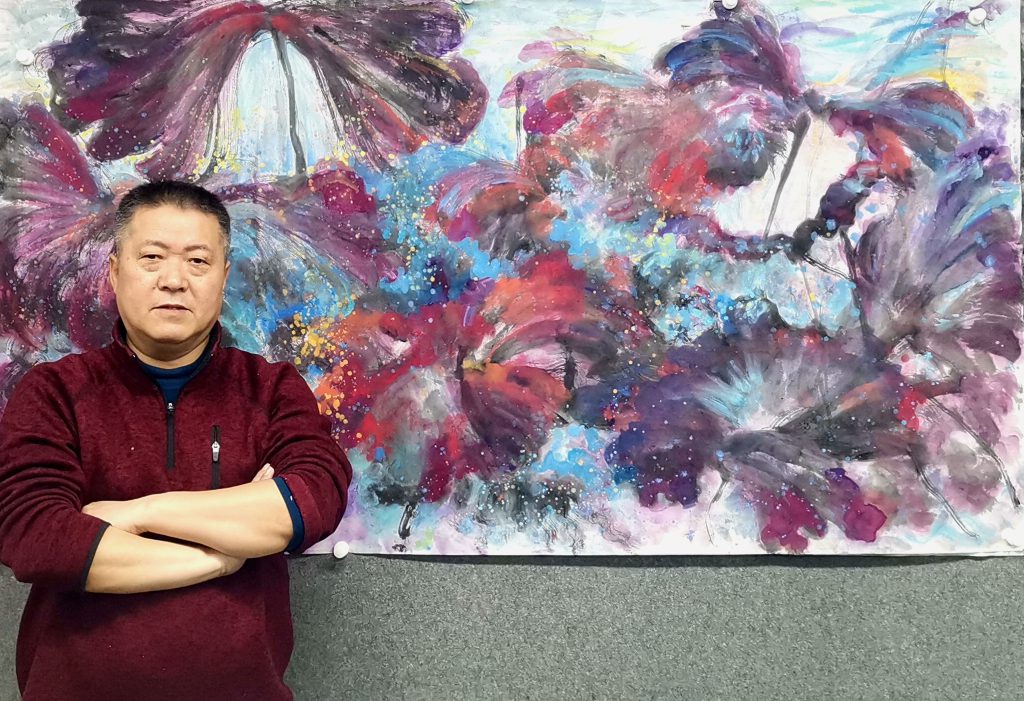
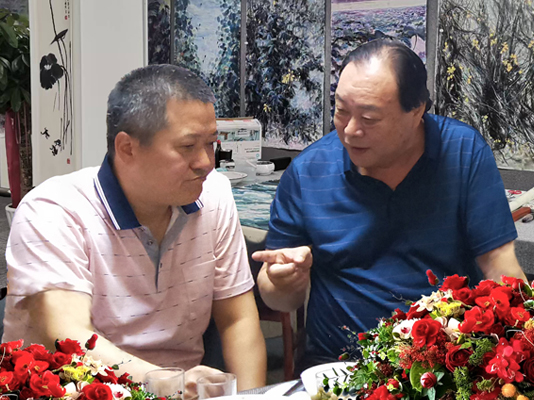
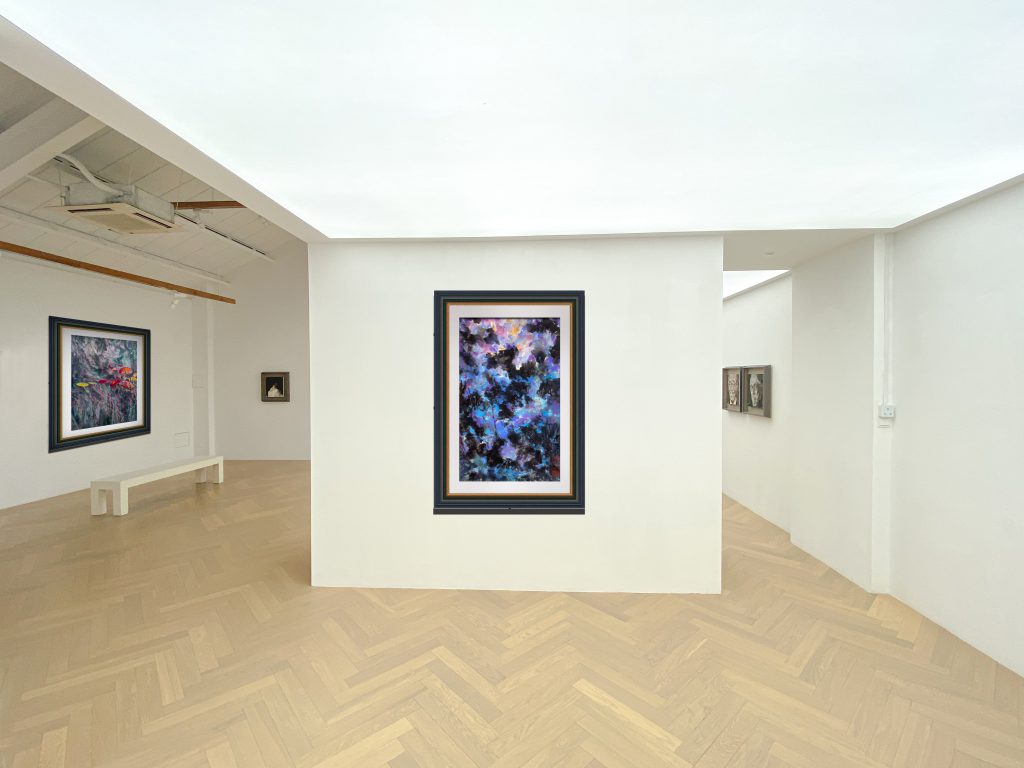
The spirit of Chinese expressive painting will inevitably converge with Western philosophical and artistic thought, each following its own path toward common ground. Its foundational essence remains unshakable, while its contemporary vessel carries tradition forward into new horizons. From the peak of our era, we witness a world transformed by the deep fusion of Eastern and Western cultures—a renaissance of hybrid vitality. As participants in human civilization, striving to create a new cultural language that resonates with the contemporary spirit is essential. And the architects of this language are already growing, embarking on a new journey.
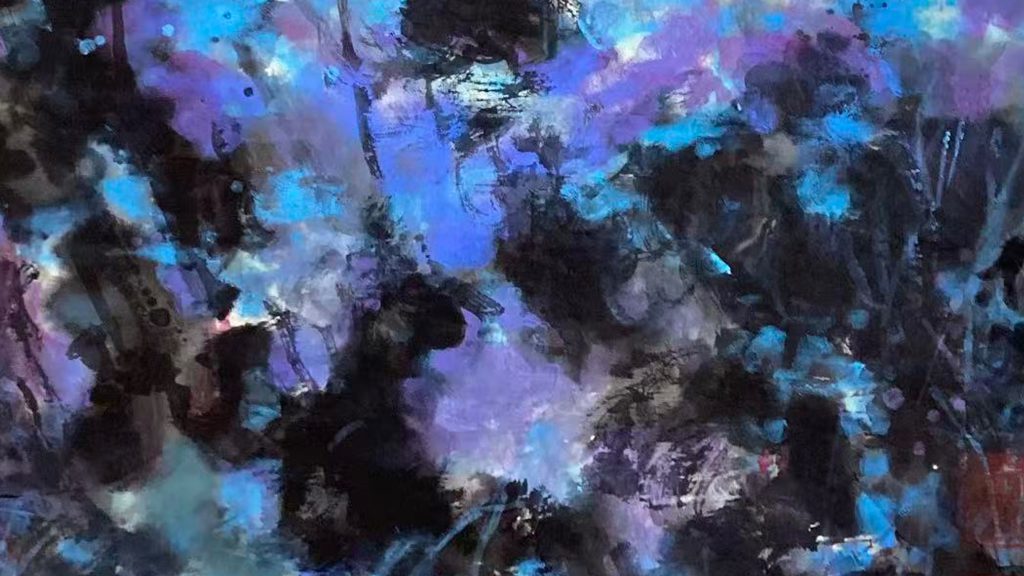
I have long pondered an intriguing question: If Bada Shanren and Shi Tao, who lived 300 years ago, were alive today, would they paint as they once did? Would they change? If they traveled abroad, dived into the ocean, witnessed today’s intricate world and Western civilization, would they still paint unchanged for another three centuries? I have asked many, and the answer is unanimous: No. Why? Eventually, I understood—human perception evolves with shifting surroundings. The foundation may remain, but the means of expression and modes of thought inevitably transform.
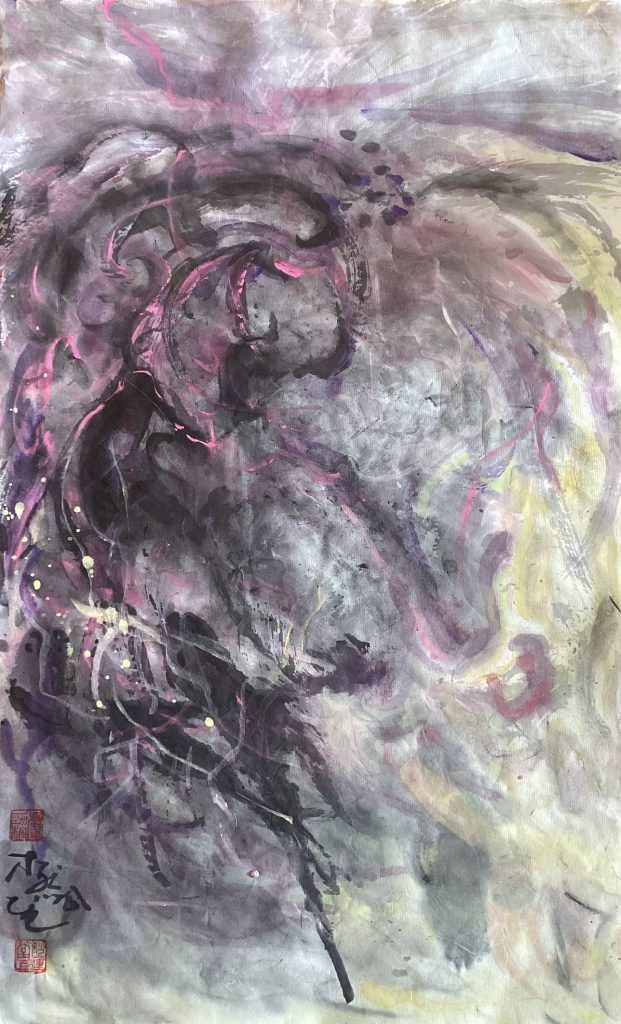
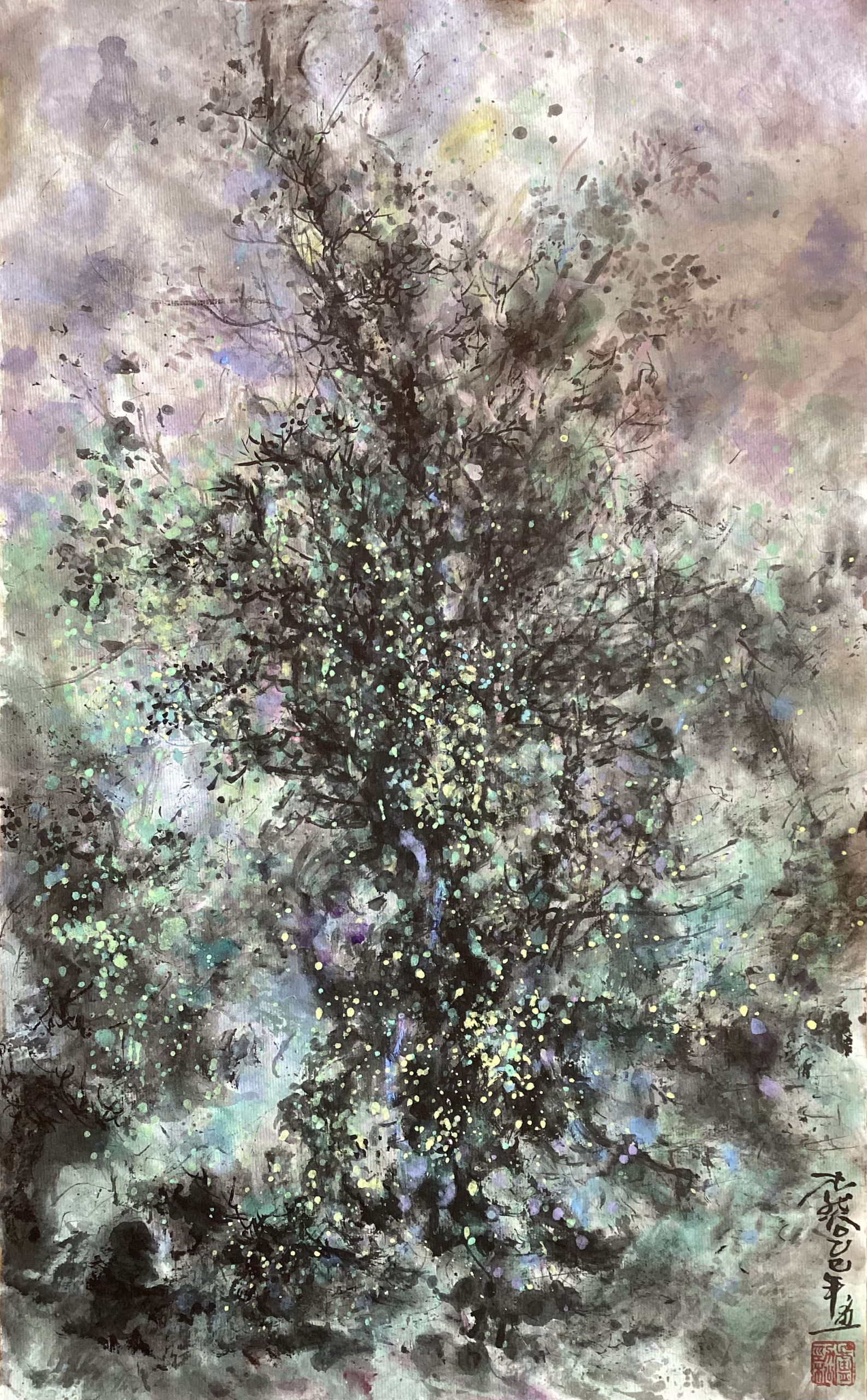
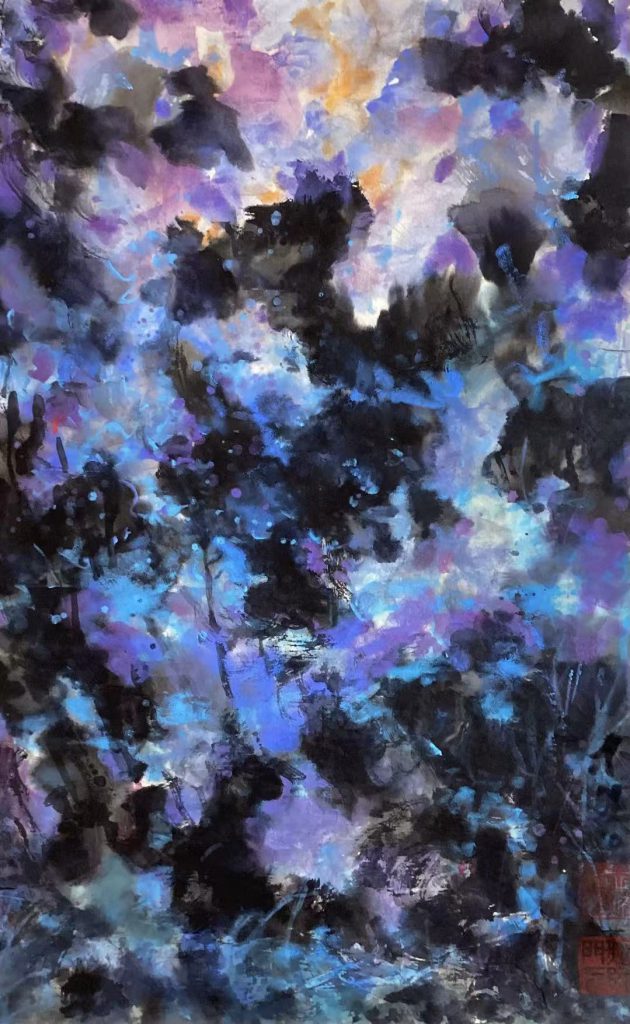
I believe my mission is to live on their behalf, guided by this vast artistic calling, to forge a new artistic system for contemporary Chinese painting—one that carries the cultural mission and confidence of our nation, standing atop the world in a崭新的 posture.
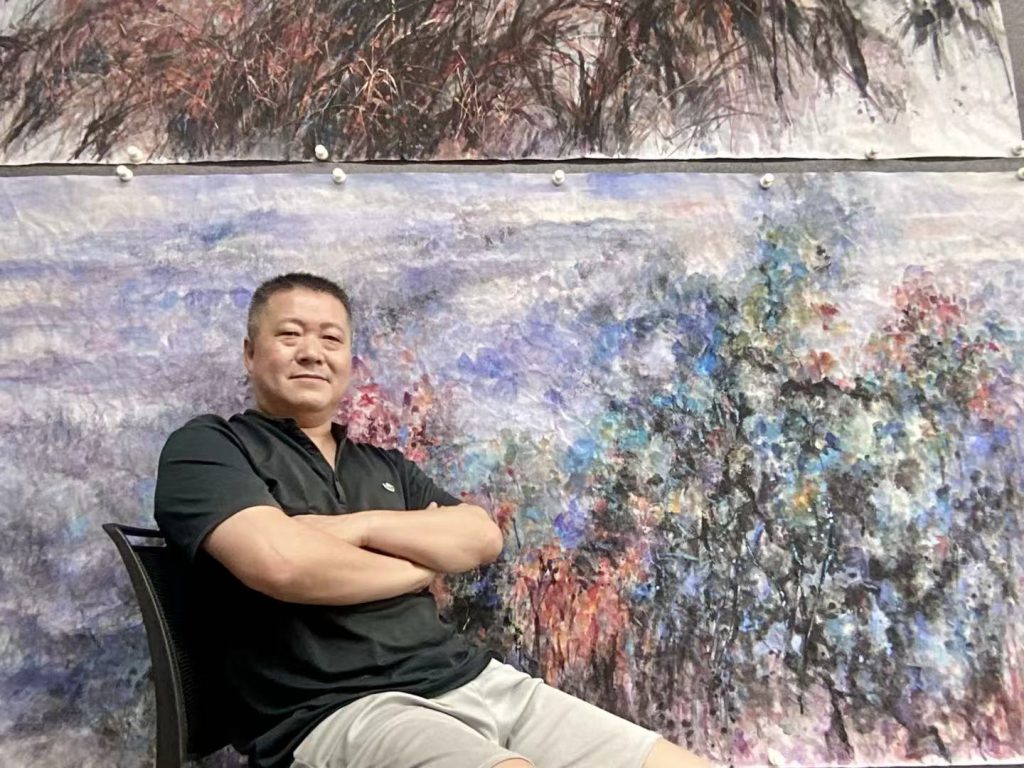
我在创作一种连接古今的文化基因,发现周围都蕴藏着常人无法发现的幻彩之光,它就像暗能量的磁性和电流,虽然你看不见但是真实存在力量很大,古人也是吸收了宇宙自然精华才创作出了中华生生不息的自然与人的叙事方式,那就是升华了的山水哲学,它不同于西方偏写实的风景再现,而是把物象的解构高度提炼,用手中的最原始工具解读出来,那就是水墨线条的语言,千百年来随着一代又一代艺术家的发展变化,形成了固有的描绘世间万物的法度,中国画家首先是哲学家和诗人,手中的笔墨是心中理想社会的抒怀法器,高度的凝练把觉醒的线条和墨色锻造成独一无二的画面,历史的脉络还在延续,今天的艺术家与世界接轨继续创造出先人们也曾期待的艺术能力,这缤纷的世界在古人开来已经无法按照当时的能力去全面的再现,把这个课题留给了今人,中国的写意精神必将在未来同西方的哲学思想艺术理念殊途同归,本色的根基牢不可破新生的承载继往开来,站在时代的巅峰我们看到了这世界的变化是东西方文化深度融合的复兴文化,对于人类文明的参与者而言,努力创造新兴的文化语言符合当代精神,而这语言的缔造者正在成长并开启了新的旅程。 我一直思考一个有趣的问题,如果300年前的八大山人和石涛活到现在,他们还会想当初一样画吗,会改变么,如果他们活着也出国采风,也潜到海底看到了纷繁的世界的景象和西方文明,还会一成不变的在像之前那样画上300年吗,问过很多人他们都异口同声地说不会的,这是为什么呢?后来我明白了,人的认知是随着周围环境变化而逐渐改变的,根基不变但是表现的手段和思维模式一定会改变,我想我的使命就是替他们活下去按照这个博大的艺术使命找到当代中国绘画的一种新的艺术体系,它承载着民族文化的使命和自信以崭新的姿态站在世界之巅!
 微信扫一扫打赏
 支付宝扫一扫打赏