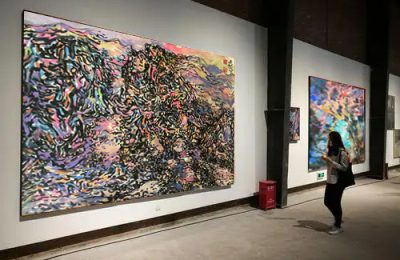
We often overlook or confuse a concept that has not been deeply elaborated upon for many years: whether a painter and a fine artist are the same thing. Art academies have both painting majors and applied arts majors. Viewed solely from the scope of fine art, it cannot represent painting. The deeper significance of painting has already transcended the category of fine art. The term “fine art” itself originates from the West.
To define painters from ancient to modern times, it wouldn’t be accurate to call them “fine artists”; strictly speaking, “painter” is more precise. Searching Baidu Encyclopedia yields this description: Fine art is a type of visual, plastic art with a plane or space as its carrier. Its classification mainly includes four major categories: painting, sculpture, design, and architecture. Some classification systems also incorporate calligraphy, photography, etc.

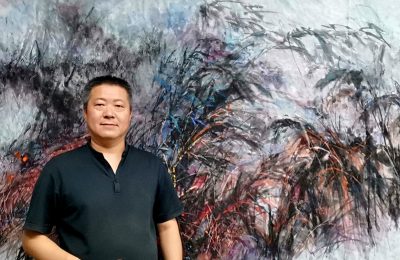
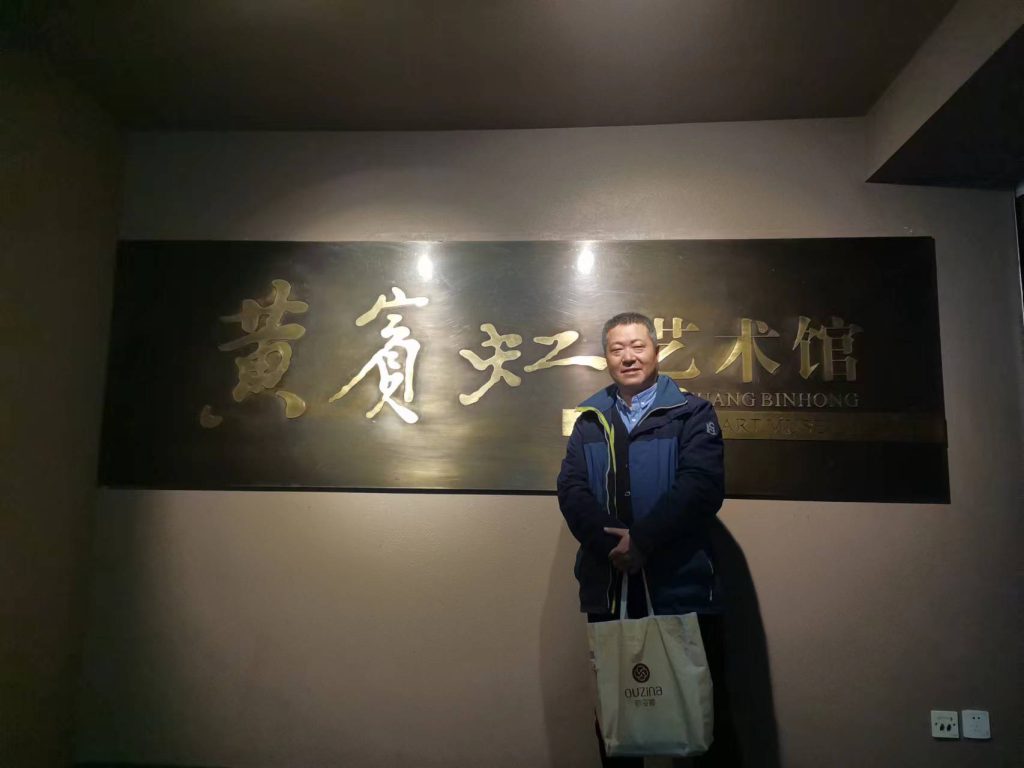
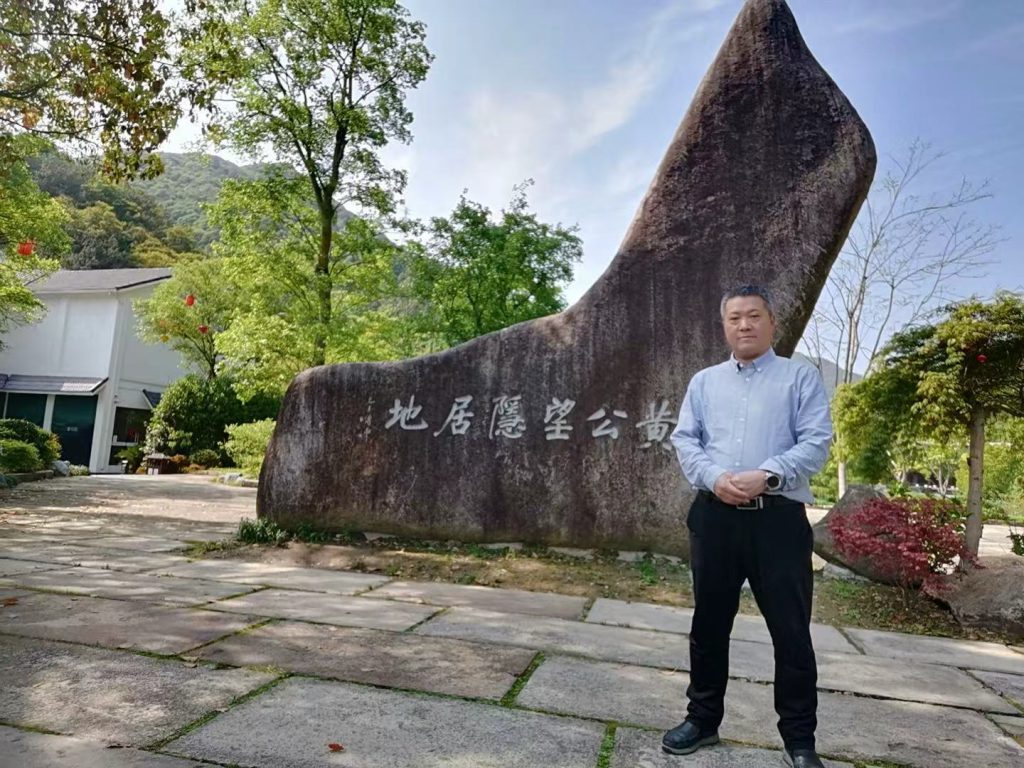
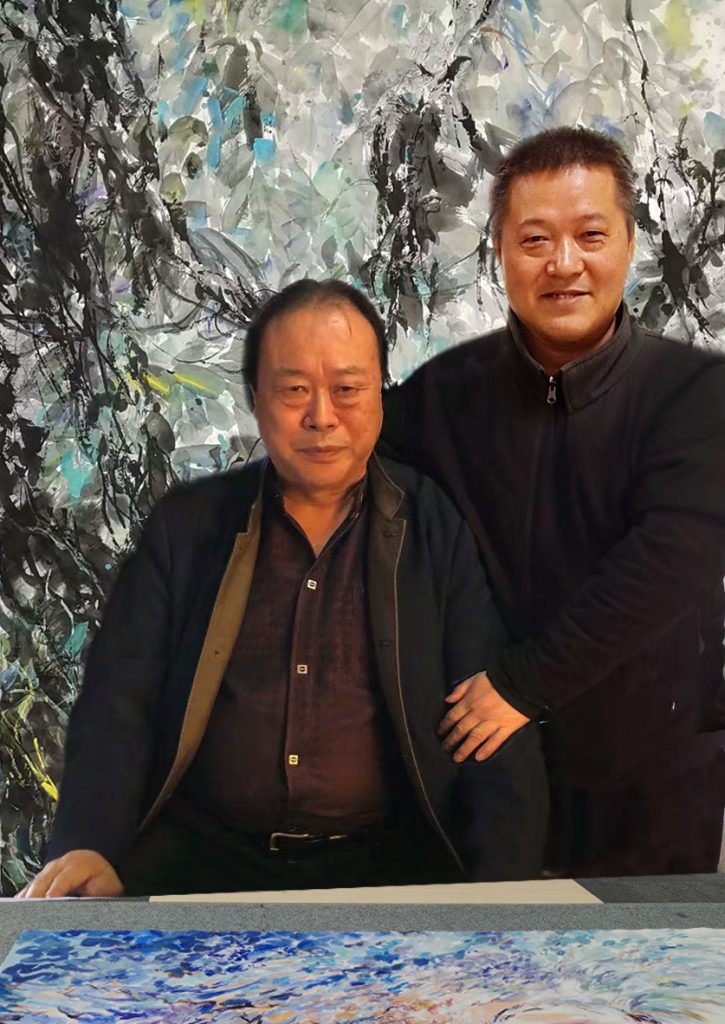
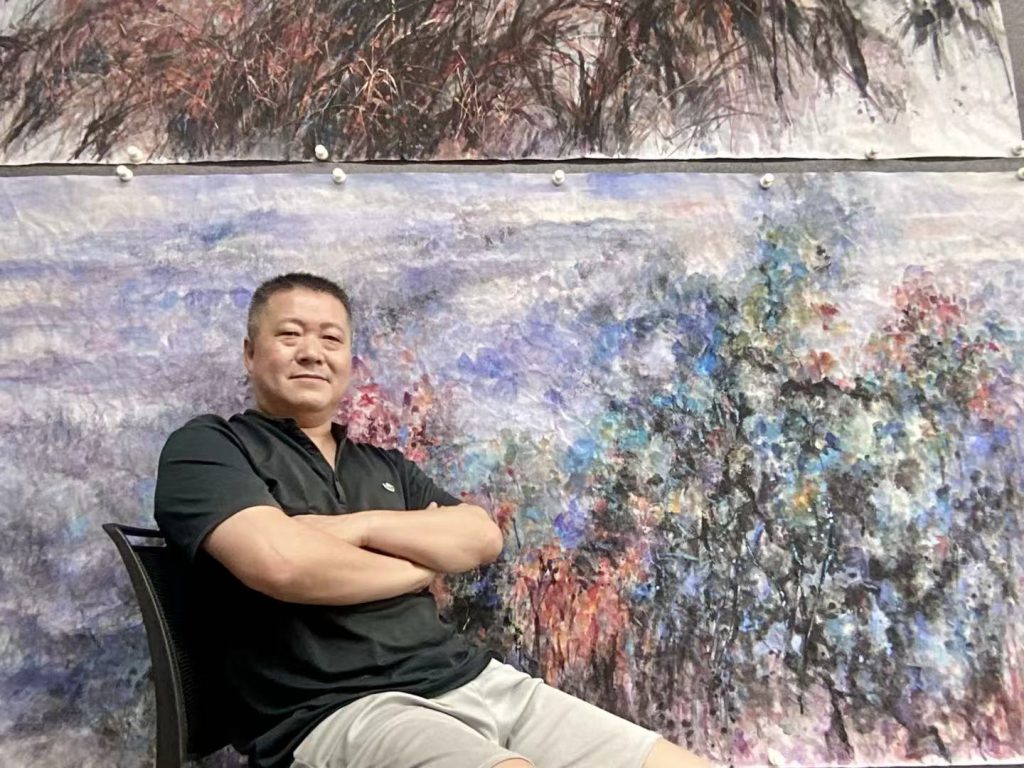
八十年代末木然公在美术学院学习时候与同学合影
The term originated from European documents in the 17th century, gradually forming a fixed concept by the mid-18th century. In modern times, after being translated via Japanese kanji, it was introduced to China around the May Fourth Movement and began to be widely used. It can be seen that the term “fine art” was introduced to China in modern times and did not exist in ancient China. When Europe began using the noun “fine art” in the 17th century, it broadly referred to activities and their products with aesthetic significance, such as painting, sculpture, architecture, literature, music, and dance. Some scholars believe the term “fine art” officially appeared around the mid-18th century. After the Industrial Revolution in the 18th century, the scope of fine art expanded increasingly, encompassing painting, sculpture, crafts, architecture, etc., and in the East, it also involved arts like calligraphy and seal carving. The term began to be commonly applied in China around the May Fourth Movement. In recent decades, European and American countries have seldom used the term “fine art,” often using the term “art” as a general designation instead.

The birth of art academies, on one hand, connected internationally and implanted systematic training methods and subject classifications. Painting belongs to a subject or one category within fine art, but painting is by no means simply within the realm of fine art. There should be a subdivision for painting academies in the future, or society itself could be the painting academy for painters. From the Wei, Jin, Northern and Southern Dynasties to the Tang and Song periods, China continuously experienced repeated cycles of prosperity and decline from folk painting to court-academy style.
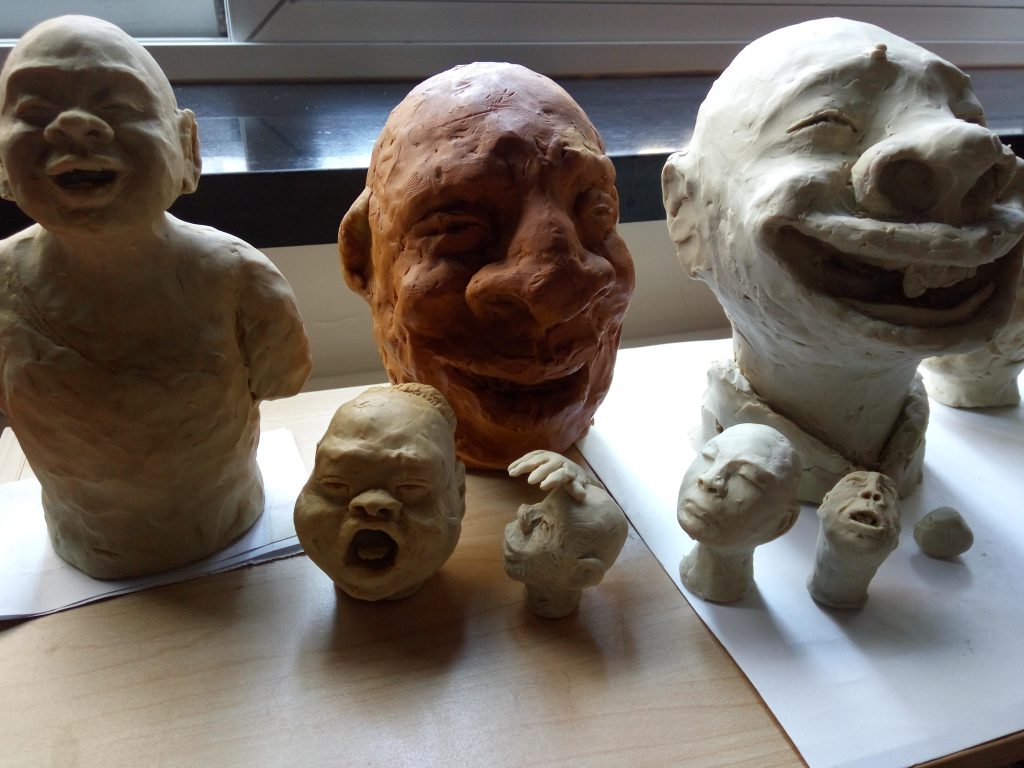
The scope of fine art is very broad. Generally speaking, it can be roughly divided into two types: appreciative art and practical art. From the perspective of appreciative art, it mainly includes two major categories: painting and sculpture. Painting, due to differences in the physical materials and tools used, can be further divided into genres such as Chinese painting, oil painting, watercolor, gouache, printmaking, and sketching. Sculpture also has various forms like freestanding sculpture and relief, using materials such as stone, wood, clay, plaster, and bronze.
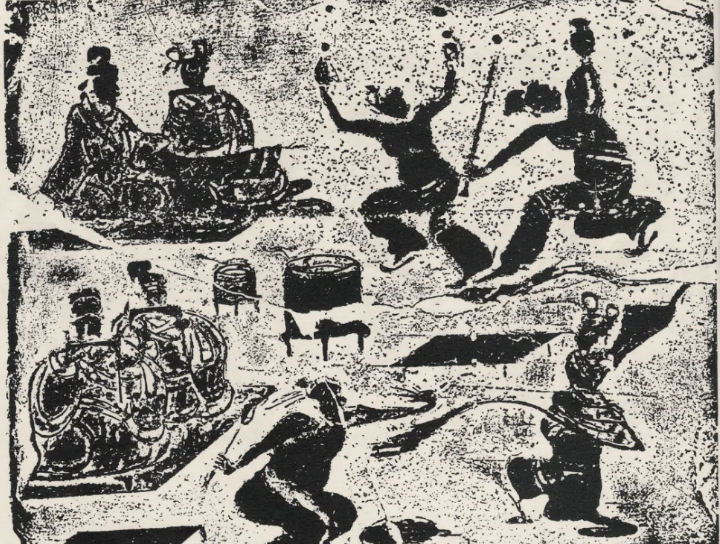
Practical art also includes two major categories: craft art and architecture. Although there are different understandings of the concept of craft art domestically and internationally, according to the common definition, craft art includes three major parts: traditional handicrafts, modern industrial art, and commercial art. Traditional handicrafts include jade carving, ivory carving, lacquerware, metal crafts, etc. Modern industrial art (or “industrial design”) includes all aesthetically pleasing daily necessities that meet the growing material and spiritual life needs of the people (such as printed cloth, ceramics, glassware, furniture, carpets, household appliances), as well as the modeling and color design of modern transportation vehicles and machinery. Modern commercial art mainly refers to commodity logos, packaging decoration, and commercial advertising.
The reason architecture also belongs to the scope of fine art is determined by the dual nature of technology/science and art inherent in architecture itself. Any building always stands on the earth with a physical structure of some spatial form, which inevitably raises the question of whether its造型 (modeling/form) is aesthetically pleasing. In this sense, like sculpture, architecture is a very concrete form of plastic art.
Looking at the Development Process of Chinese Painting Academies
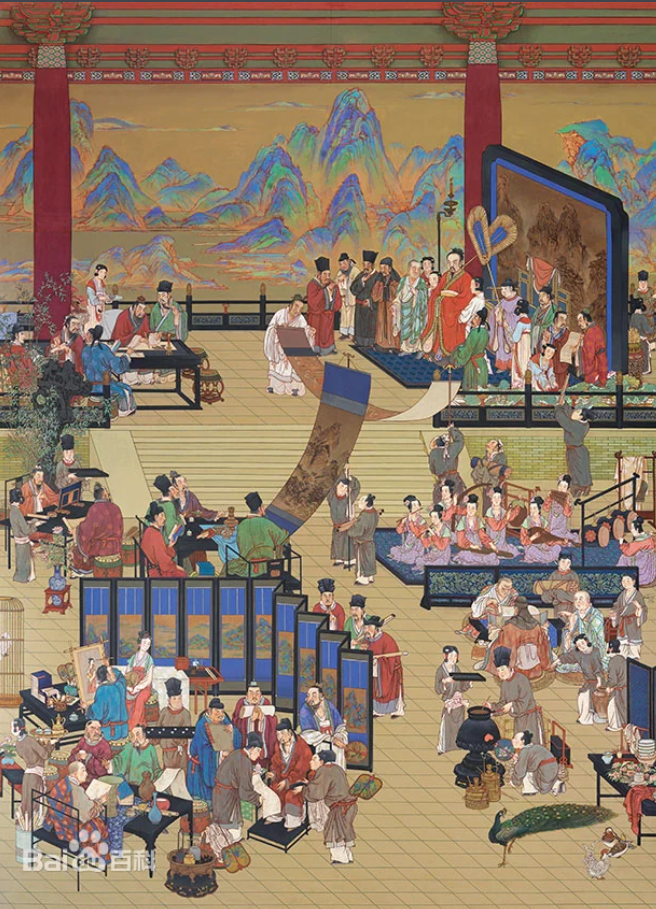
Before modern times, China did not have art academies. The establishment of the imperial painting academy大致经历了 roughly went through three periods.
The Pre-Academy Era: Imperial court painting emerged, laying the foundation for the origin of the later imperial painting academy. In the Han Dynasty, rulers set up exclusive official posts for court painters and established special “painting studios” within the court to manage painting affairs, constituting the origin of later painting academies. By the Tang Dynasty, Emperor Xuanzong established the Hanlin Academy within the court upon his accession, which became the prototype of the imperial painting academy in the Five Dynasties period. This stage can be called the “Pre-Academy Era.”
The Academy Era: The flourishing of the painting academy in the Song Dynasty was closely related to Emperor Huizong, Zhao Ji (1082–1135). Zhao Ji was not only an advocate and supporter of the painting academy but also an accomplished painter and a connoisseur of high standard. He required painters to learn from nature, grasp the “expression, demeanor, form, and color” of the object, conform to its inherent principles, and not rely solely on predecessors. Once, Zhao Ji asked academy painters to paint a screen of a peacock ascending a mound. He was dissatisfied with several attempts and, when asked why, said that when a peacock rises, it must first lift its left foot, but the painters had all depicted it raising its right foot.
From the Five Dynasties to the Northern and Southern Song dynasties, it can be called the “Academy Era” in Chinese painting history. The Qing Dynasty court did not establish a painting academy, but there were specific venues for the activities of court painters. From the Painting Office to the Ruyi Hall, and then to the Painting Academy Department, the Qing Dynasty imperial painting institutions experienced a dynamic development process. During the Yuan, Ming, and Qing dynasties, the development of the imperial painting academy was far less glorious than in the Song Dynasty, even barely managing, which can be seen as the “Post-Academy Era.”
The Demise of the Academy: With the fall of the Qing Dynasty and the end of class rule, the ancient Chinese imperial painting academy truly became history. During the Song Dynasty, selecting painters for the academy involved strict examinations; the imperial examination system of the Song included a “Painting Studies” subject. The reign of Emperor Huizong was the peak period of the Song painting academy. Examinations for painters often used Tang poetry lines as themes, requiring candidates to depict the artistic conception of the verse. For example, once the theme was “a tavern hidden by bamboos near a bridge锁.” Most candidates meticulously depicted the tavern building, but Li Tang (a famous Northern Song painter) painted a tavern flag outside the bamboos by the bridge, expressing the “hidden”意境 of the tavern being shielded by the bamboo grove.
Another time, the theme was “wild water, no ferryman; a lone boat lies idle all day long.” Most people painted an empty boat moored to the bank, some with an egret on the gunwale, others with a crow perched on the boat awning. The winning entry, however, depicted a solitary boat lying across the water, with a boatman lying at the stern, conveying the idleness of having no passengers. To a certain extent, the academy examinations helped cultivate painters’ aesthetic observation, artistic imagination, and creative skill.
Painting as Art and Culture
Painting is humanity’s precious asset and wealth. It can not only provide visual enjoyment of beauty and nurture the human spirit but also act as an envoy of culture and art, spreading worldwide so all humanity can appreciate and feel the beauty of the human world and nature.
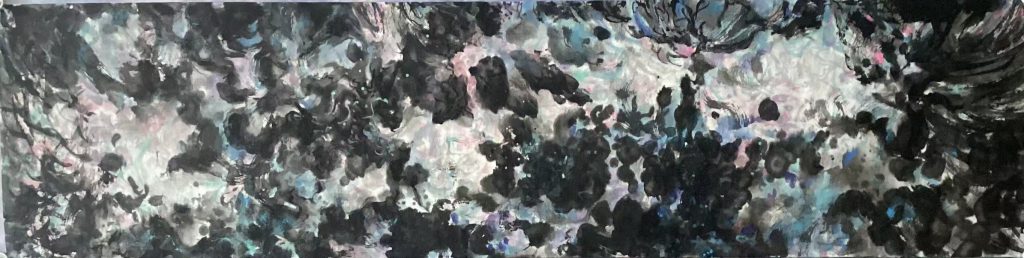
So, is painting art or culture? The answer is actually clear because art and culture belong to two different concepts. Culture, relative to politics and economics, encompasses all human mental activities and their products. Clearly, culture is a relatively broad, general concept covering a vast scope. For instance, literature, art, religion, philosophy, science, education, etc., are all contents and branches within the realm of culture. Art, however, is a social ideology that reflects reality through concrete images but is more typical than reality. Examples include architecture, painting, sculpture, music, drama, television, crosstalk (comic dialogue), etc.
Thus, the answer is very clear: art is one type of cultural form, and painting is one form of art. Therefore, painting is both art and culture, except that some painting may only be art and not necessarily culture.
 微信扫一扫打赏
 支付宝扫一扫打赏